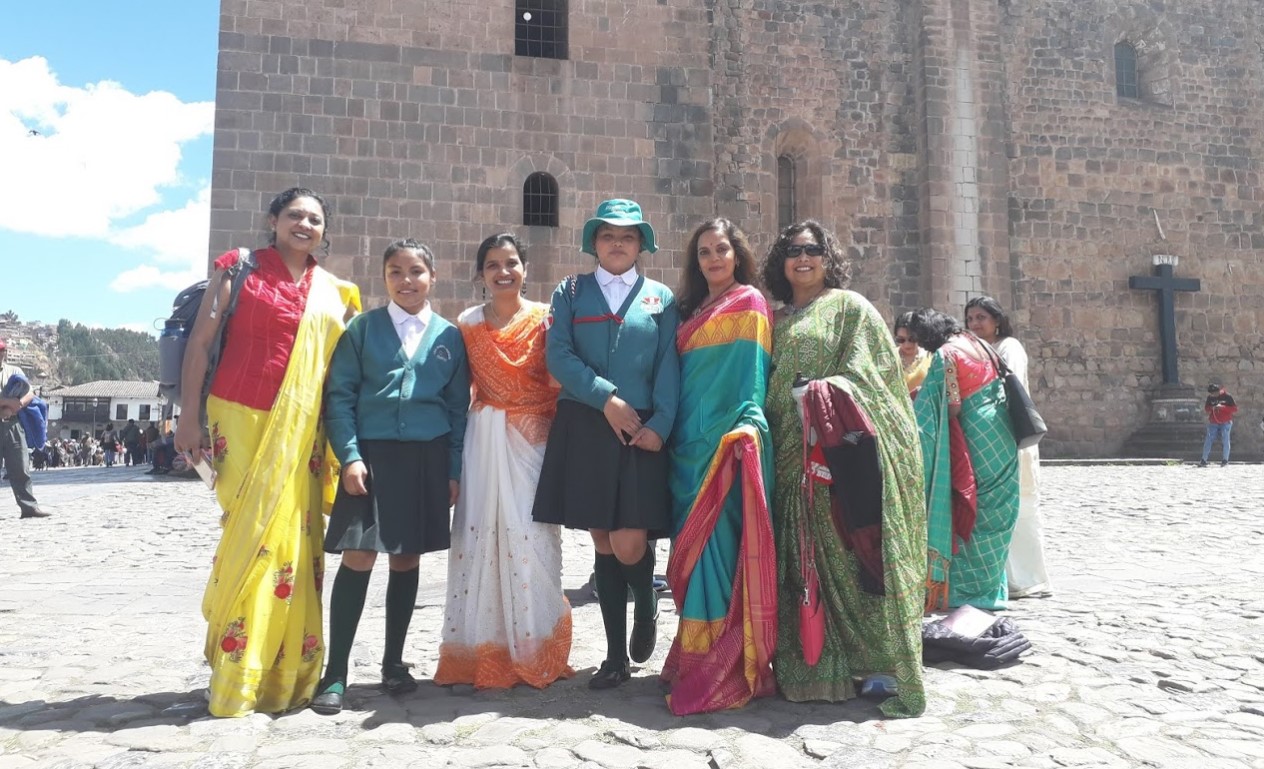
Cusco City Tour
Home / Tours / CUSCO TOURS / Cusco City Tour
1 Day
3.300 msnm
Easy
Group/Private
Description
Cusco or Qosqo (in Quechua language) was the capital of the Inca Empire called Tawantinsuyo. Cusco, with its special beauty and charm is considered the archeological capital of South America and a cultural legacy of Humanity.
With no doubt, Cusco is the most important tourist destination in Peru because of Machu Picchu. The streets of the city are over flowing with our country’s history. One can observe the different stages of the evolution from ancient times until the Conquest and its consequences. It also has several old majestic cathedrals and numerous museums to explore.
Cusco City Tour Overview
Do not miss the Experience to know the best of Cusco on this private half day tour through the heart of the magnificent Inca capital You can Discover magical archaeological sites unique landscapes and fascinating history while exploring the city and its sourronds with a friendly native guide who will lead you connect with our culture and still at life traditions of the Andes.
The tour start at Koricancha Inca Temple known as the famous Temple of the Sun, where Inca stonework supportsthe blending with colonial architecture. then continue to the maind blowing fortress of Sacsayhuamán, known for its gigantic stones and amazing views over the Puma city Cusco. You will also visit the sacred sites of Q’enqo, Puka Pukara and Tambomachay, each place has its own history, mystery and connection to the Inca spiritual world.
As you go through these iconic places you will learn about ancient Inca traditions, local beliefs and the importance of Cusco as the center of the Inca Empire. This tour is perfect for travelers who want a relaxed and meaningful introduction to the city without rushing.
Whether you choose a morning or afternoon departure this experience is a great Chance to start your adventure in Cusco and create unforgettable memories in one of Peru’s most historic destinations.
Places To Visit In Our Cusco City Tour.
Temple of the Sun (Koricancha)
Korikancha was the most important temple of the Inca Empire, dedicated to the Sun God.
It combines remarkable Inca stonework with colonial architecture, reflecting Cusco’s rich history.
Sacsayhuamán.
Sacsayhuamán is a massive Inca fortress famous for its enormous stone walls and panoramic views of Cusco.
It showcases the incredible engineering skills of the Incas.
Q’enqo
Q'enqo was an important ceremonial center used for Inca rituals and religious ceremonies.
The site features carved rocks, underground passages, and sacred spaces.
Puka Pukara
Puka Pukara, known as the “Red Fortress,” was a military checkpoint and resting place along the ancient Inca roads.
Tambomachay
Tambomachay is known as the “Temple of Water,” famous for its canals, fountains, and advanced Inca hydraulic engineering.
Itinerary of our Cusco city tour
Cusco city tour – private guided tours every day – in the morning (9 am) or afternoon (1 pm)
In the afternoon, we will pick you up from your hotel proceeding to visit the Imperial City. It is a living example of the mix of Andean and Spanish culture. We start Our tour at the Koricancha, which was the Ancient Inca Palace and the main worship center of the Sun God. You are given plenty of time to enjoy these incredible sites. From there we visit the archaeological site of Sacsayhuaman, with its impressive Inca architecture, which dominates the city. Finally, we explore the archaeological sites of Q’enqo, Pucapucara and Tambomachay, which are located in the northeast section of the city. You will return to your hotel in Cusco in the early evening.
Koricancha and the convent of Santo Domingo
The convent was built on the spectacular Coricancha ‘enclosure of gold’. This was the most important temple dedicated to the worship of the Sun and the walls of which were lined with solid sheets of gold. All that remains now is the fine stonework; the conquistadors took the rest and destroyed the temple to build the convent. Coricancha was also an observatory, where priests kept track of major celestial events. Today it houses an impressive collection of canvas paintings from the Escuela Cusqueña of art.
Sacsayhuaman
Sacsayhuaman (which means ‘satisfied falcon’) is one of the most impressive sites built by the Incas. It is generally referred to as a fortress; however, it is not certain what its main function was in reality. Current research suggests that it was more likely used as a temple, as Inca tombs have been discovered in the area. The site is a marvelous archeological feat; even now after it was destroyed, one can only imagine its greatness when it stood in its full glory. The stones in the wall are incredible and the largest one weighs 128 tons.
The Incas envisioned Cusco as having a puma shape and Sacsayhuaman was the head. The magnificent zigzag walls are the major attraction. The grounds surrounding Sacsayhuaman are still used today for the colourful festival of Inti Raymi, which is held to celebrate the winter’s solstice on the 24th of June.
Qenqo
The site of Q’enqo (meaning ‘maze’ in Quechua) contains the most impressive carved rocks in the Cusco area. There are carvings everywhere, although some are very indistinct, such as a llama, a condor and snakes have been identified. There are many zigzag channels on top of the natural rock, probably used for pouring sacrificial chicha (a local liquor made from corn). Below the rock, there are a number of caves and passageways, an altar, which was used for the sacrifices of lamas, and mummifications of buried people have been discovered.
Pukapukara
Puka Pukara means ‘the red fortress’ in Quechua. This is a small site and although the name suggests that it was a fortress, it does not appear to have had any defensive purpose. Probably it was used as an administrative center. The interesting point is the way the Incas built the walls over the rocks.
Tambomachay
The name means “place of rest” in Quechua. It used to be the royal hacienda of the Inca Yupanqui when he went to hunt in the surrounding area. This site was also thought to have been used as a Temple to the Water. There are some interesting aqueducts, canals and cascades sculpted out of stone, designed to channel water flowing from a nearby stream.
We Include for Our Cusco City Tour
Includes
- Pick up at your hotel
- Professional English and Spanish speaking Tour guide
- Private transportation to visit all Inca places
- Tax
- Water.
- Entrance to the Archeological sites
We Don't Include
- Meals
- Drinks
Please Note: The Cusco City Tour is only offered to our clients doing a minimun of 2 days tours or treks to Machu Picchu.
Our Prices for the City Tour in Cusco
We operate small groups to keep your experience personal and truly immersive to the Peruvian history
Are You Traveling with a large group? or looking for a more exclusive experience?
We also offer private City Tours in Cusco. Contact us as soon as you can, and we will help you choose the best for you and buil up the best itinerary based on your availability of dates, pace, and interests.
Price per Person
- From US$ 80 – Adults up to 8 participants.
- From US$ 155 – Private service
- For groups of 4 or more travelers, contact us for a special price:
info@andeantourperu.com
Booking and Payment
You can pay for the tours through our different booking systems or at our office once you get in Cusco using a credit card, PayPal, or wire transfer.
Whether you don't use neither of these methods,
Please contact us for alternative payment options.
How to Book
- Click on the BOOK NOW button, choose your travel date, and select your preferred tour option (group or private service).
- Fill in all the required information with your personal details.
- Enter your credit or debit card information and complete the payment.
- Our team will contact you shortly to reconfirm your booking and provide additional information about your tour.
Packing List for the Cusco City Tour
Before starting your Cusco City Tour, we recommend bringing a few essential items to stay comfortable while exploring the most important Inca sites around the city.
Cusco’s weather can change throughout the day, so it is best to be prepared for sunshine, wind, or light rain while enjoying this unforgettable cultural experience.
- Original passport or ID card
- Comfortable walking shoes
- Warm jacket or extra layers
- Rain jacket or poncho (during rainy season)
- Hat or cap for sun protection
- Sunglasses
- Sunscreen
- Water bottle
- Camera or smartphone
- Small backpack for personal items
- Extra cash for entrance tickets, snacks, or souvenirs
Travel Information – Cusco City Tour
Cusco City Tour is one of the best ways to introduce yourself to the rich history, mind blowing engineering, and fascinating culture of the Political and ancient capital of the whole INKA EMPIRE.
To start up your immersion in the culture, we recommend you to read the following information to help you get ready for our comfortable, and enjoyable tour around Cusco’s most iconic INKA sites.
High Elevation of Cusco
The city of Cusco is located on 3,399 meters (11,152 ft) above sea level. Due to the high altitude, some travelers may experience some kind of altitude sickness during their first hours or days in the city. These are Common symptoms may include somethings like; headaches, shortness of breath, dizziness, or weakness.
To Get good acclimatation and comfort for your body, we recommend you:
- Taking it easy on your first day in Cusco
- Drink as much water as posible throughout the day
- Ask for coca or muña leaves tea
- Avoid alcohol and heavy meals upon arrival
- Set up your mind for thinner air environment
- Get enough rest before starting physical activities
Normally our Tourist feel much better after 24 to 48 hours of acclimatization.
Weather Conditions During the Tour
The Cusco weather could be a bit crazy some times especially at rainy season, meaning temperatures can change quickly throughout the day. Mornings and evenings are usually chilly, By midday the temperatures become sunny and much warmer.
The city has two main seasons:
Dry Season (April to October)
These 7 months make the most popular season for our tourism in Cusco. Our Tourist may expect sunny days, blue skies, and excellent conditions for sightseeing and photography. However, our nights and early mornings can be quite cold.
Rainy Season (November to March)
During these months, rain showers are more frequent and heavy, especially in the afternoons. The landscapes recover their life and become greener and more vibrant, showing you many beautiful sceneries around the archaeological sites.
No matter the season, we highly recommend you to dress in layers to stay comfortable during your tours.
What to Bring for the Cusco City Tour
To fully enjoy your experience, we recommend to bring the following items:
- Comfortable walking shoes with good grip
- A warm jacket or fleece for cooler temperatures
- Light clothing for sunny hours
- Rain jacket or poncho during the rainy season especially
- Hat and sunglasses for sun protection
- Sunscreen with high SPF
- Reusable water bottle to stay hydrated
- Camera or smartphone for photos
- Some cash for entrance fees or personal expenses
- Original passport or identification document
Being well prepared will help you enjoy the tour much more comfortably while exploring Cusco’s historical attractions.
Physical Activity & Difficulty Level
Our Cusco City Tour is considered an easy to moderate activity suitable for most tourist. During the tour, You walk through Magical archaeological sites that include stone paths, small staircases up and down, and some uphill sections.
Previous hiking experience is Not required, travelers should feel comfortable walking at moderate altitude and rhythm for short periods of time.
This tour is ideal for:
- Couples
- Families
- Solo travelers
- Older travelers in reasonable physical condition
- Visitors interested in history and culture
- And to anyone that wants to enjoy life
- mmmmmmmmm
Archaeological Entrance Tickets
Most archaeological sites visited during the Cusco City Tour require an entrance ticket known as the Cusco Tourist Ticket (Boleto Turístico del Cusco).
This ticket usually includes access to:
- Sacsayhuamán
- Q’enqo
- Puka Pukara
- Tambomachay
Please note that the entrance fee for Qoricancha (Temple of the Sun) is generally paid separately.
Our team will provide complete information about ticket options, prices, and where to purchase them before your tour begins.
Best Time to Visit Cusco
Cusco can be visited throughout the entire year, and each season offers a different experience.
The dry season from May to September is considered the best time for outdoor activities due to clear skies and stable weather conditions. These months are perfect for photography, sightseeing, and enjoying panoramic views around the city.
The rainy season, from November to March, brings greener landscapes and fewer tourists, creating a quieter and more authentic atmosphere.
Health & Safety Recommendations
Cusco is generally considered a safe destination for travelers. However, as with any tourist destination, it is important to take basic precautions during your visit.
We recommend:
- Keeping personal belongings secure
- Avoiding isolated areas late at night
- Carrying only the cash you need for the day
- Staying hydrated during the tour
- Using sunscreen because UV radiation at high altitude can be very strong
Travel insurance is always recommended, especially for international travelers visiting Peru.
Responsible Tourism
We encourage all travelers to respect local traditions, archaeological sites, and the surrounding environment during the tour.
Please help preserve Cusco’s cultural heritage by:
- Avoiding littering
- Respecting restricted areas
- Following your guide’s instructions
- Supporting local communities and businesses responsibly
Responsible tourism helps protect the beauty and history of Cusco for future generations.
Gallery